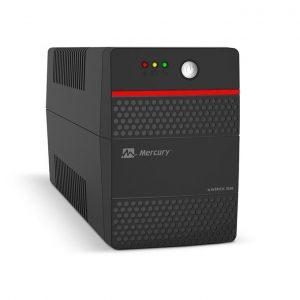
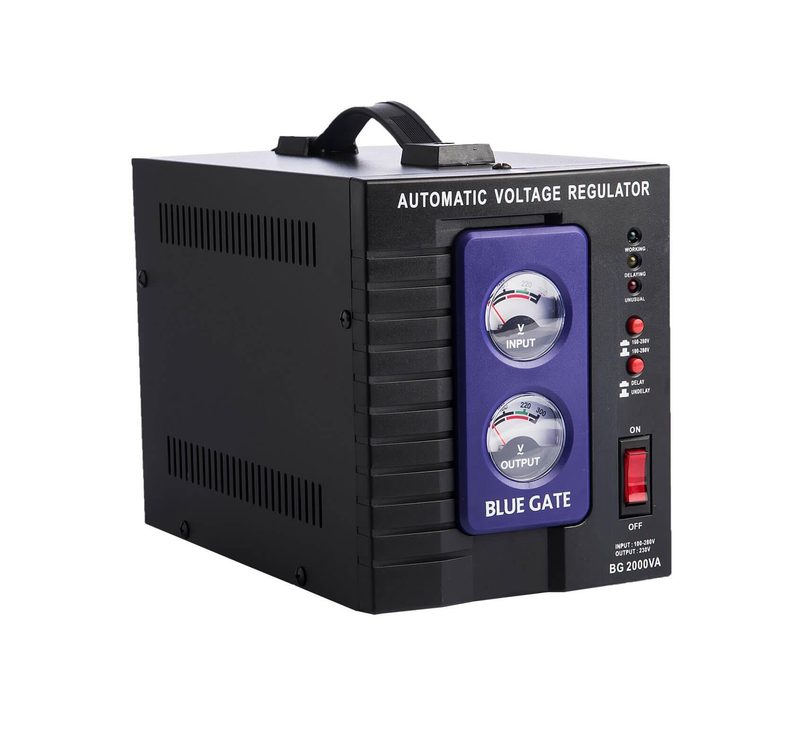
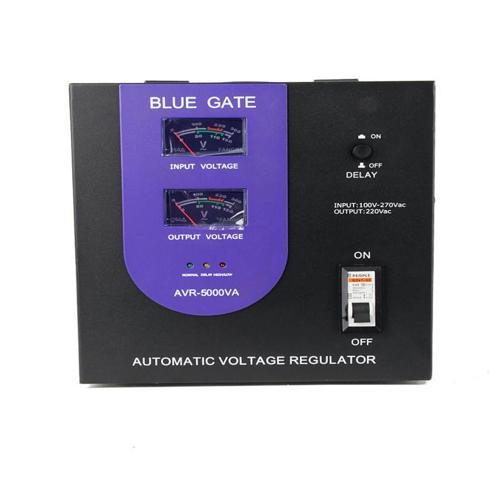
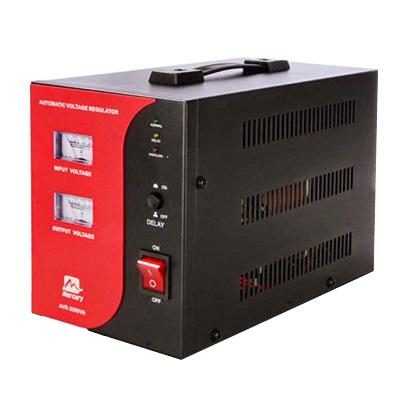
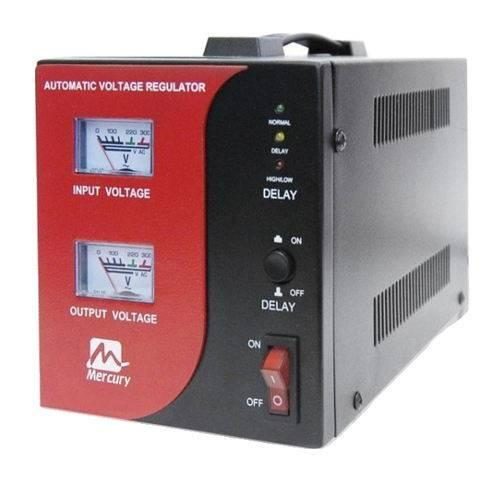
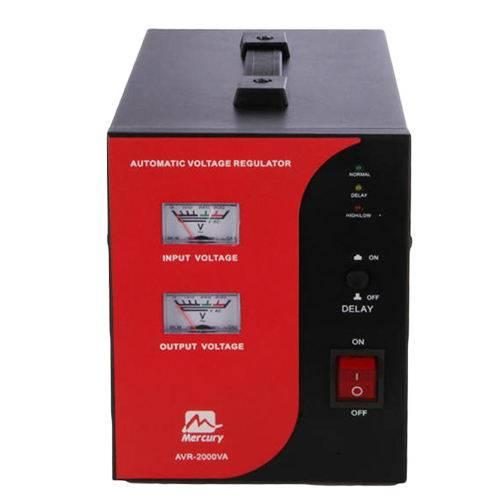
A stabiliser holds incoming voltage within the range equipment can tolerate. It is the cheapest item in this branch and the one whose absence does the most damage, because the failures it prevents are attributed to the equipment rather than to the supply.
Nigerian mains swings both ways. Low voltage makes motors draw more current and run hot, which is what kills air conditioners and fridges. High voltage takes out power supplies outright. A stabiliser corrects both; a surge protector only handles the second, and briefly.
Size by the load plus headroom, and put it on the things that cannot be replaced casually - air conditioning, fridges and freezers, medical equipment, the server rack. A whole-building unit is available where the incoming supply is bad enough to justify it, and in many buildings it is.
Servo-controlled units correct more accurately and more slowly; relay units respond faster and in coarser steps. For a compressor the accuracy matters more, for electronics the speed does, which is why one unit for the whole building is a compromise rather than an obvious saving.
Tell us what you are protecting and roughly how bad the supply is - how often lights dim or bulbs blow is a genuinely useful answer - and we will specify against it.